



Unique, Not Less: Understanding Autism
By Namrata Chaudhari, Thought Leader in DEI & Mental Health Advocacy, 30 April 2025
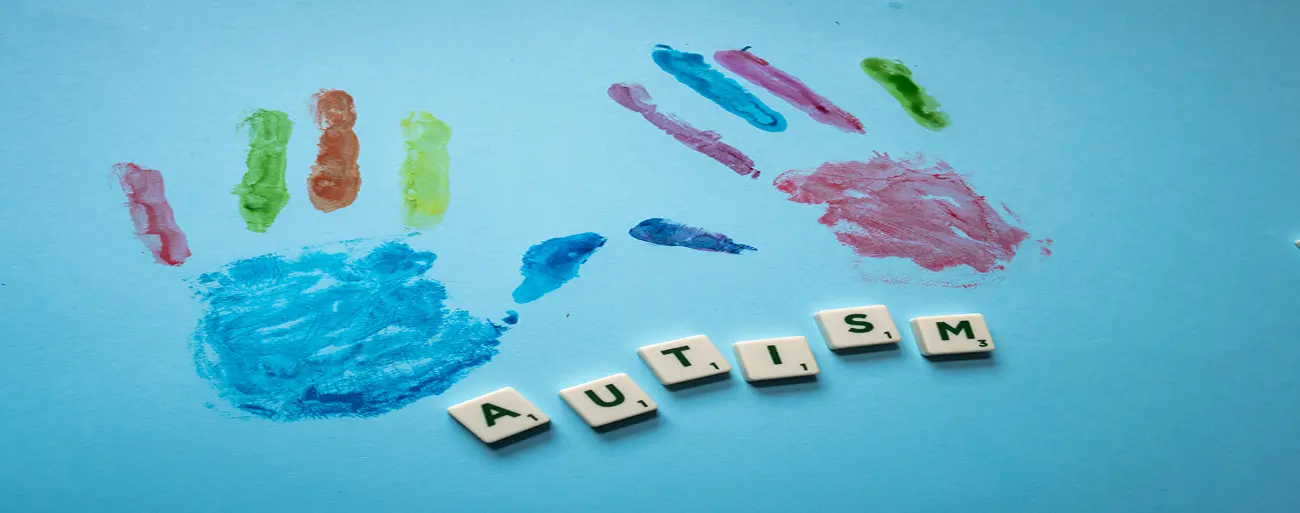
When Aarav was six, his teachers and parents began to notice something different about the way he interacted with the world.
While other children eagerly formed groups on the playground, Aarav preferred quiet corners. He could spend hours lining up his toy cars or sketching intricate, symmetrical patterns. Yet, he struggled with eye contact, spontaneous conversation, and any sudden change to his routine.
At first, relatives and neighbours dismissed it as shyness — or “just a phase.” Some even suggested stricter discipline. But Aarav’s parents chose a different path — one rooted in empathy, patience, and understanding.
After seeking professional guidance, they learned that Aarav was autistic.
The diagnosis initially felt daunting. Words like “autism” carried unfamiliar weight. Questions flooded in — Is it a disease? Can it be treated? Will he always be like this?
But with time, they discovered a simple truth: Autism is not an illness. It doesn’t need curing or fixing. It’s simply a different way of experiencing and interpreting the world.
A Different Way of Seeing
Autistic individuals, like Aarav, process information uniquely. For him, this means difficulty reading social cues, a heightened sensitivity to noise and light, and anxiety in unpredictable situations.
But it also means having an extraordinary memory, deep focus, and a passion for patterns and structure that many might overlook.
His world is not less vibrant — just different.
What made the biggest difference in Aarav’s growth wasn’t medication or therapy alone — it was understanding.
When his teachers adapted communication methods, when friends learned to be patient, when family stopped trying to “fix” him — Aarav began to flourish.
He still has challenges, yes. But don’t we all?
Beyond Labels and Limitations
Autism doesn’t define a person’s worth or potential. Aarav, like countless others on the spectrum, can build friendships, experience love, and lead a meaningful, successful life.
He may need additional support — structure, time, or sensory-friendly spaces — but his intelligence, creativity, and honesty are no less valuable than anyone else’s.
Today, with the support of an inclusive school system, therapy, compassionate colleagues, and a loving family, Aarav is exploring the world at his own pace.
He’s discovering his voice, nurturing his fascination for design and logic, and defining success on his own terms. His path might look different — but it’s no less fulfilling.
Shifting the Lens
In India, awareness of autism and neurodiversity is still growing. Aarav’s story reminds us that inclusion is not about ticking boxes or creating policies — it’s about people.
It’s about seeing the person, not the diagnosis.
True inclusion means creating environments — at schools, workplaces, and communities — where differences are not just accepted, but respected and celebrated.
A Gentle Reminder
The next time you meet someone who communicates, reacts, or learns differently — pause before you judge. Remember Aarav.
He doesn’t need fixing.
He just needs space to be himself.
Let’s celebrate every kind of mind — for its authenticity, individuality, and brilliance.
Because being unique doesn’t mean being less.
Disclaimer: The stories and opinions shared here are meant to inform and inspire. They reflect individual experiences and viewpoints, not necessarily those of VCreaTek. While every effort is made to ensure accuracy, VCreaTek is not responsible for any errors or outcomes arising from the use of this information.